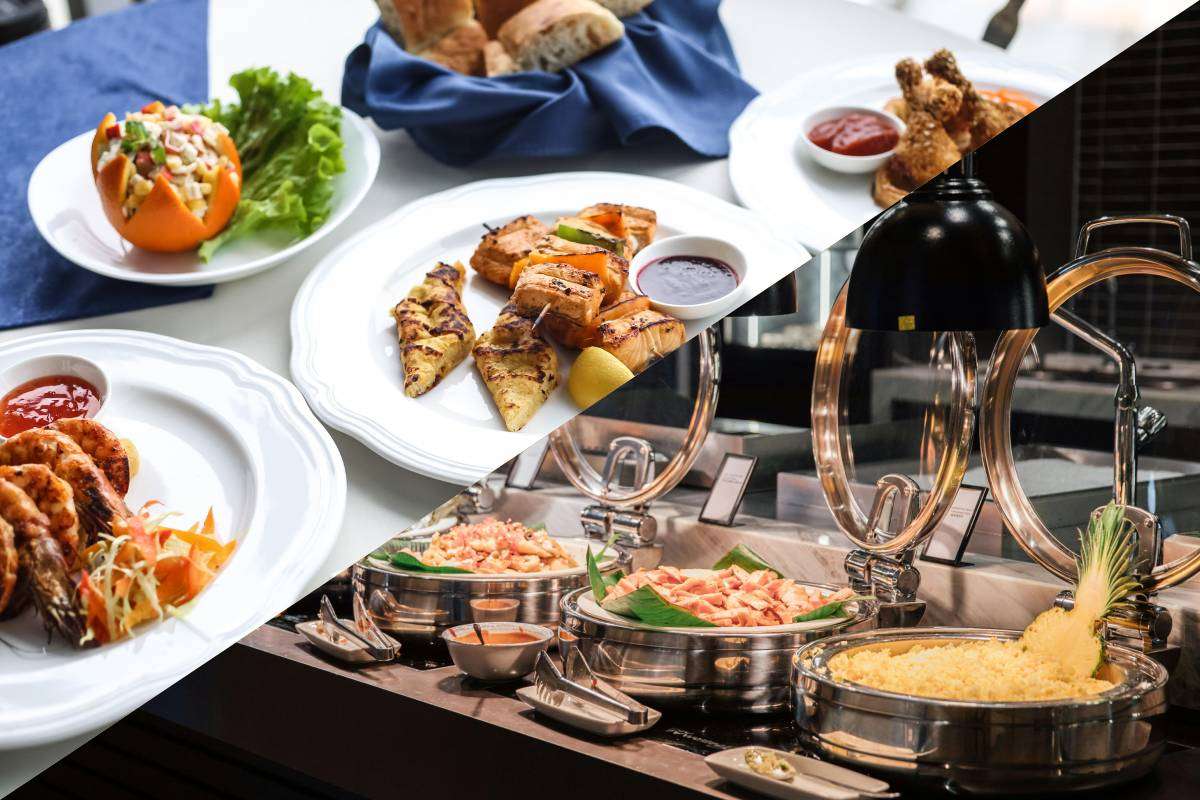
When planning an event, few decisions carry as much weight as the menu. Indeed, food is the heartbeat of any affair. It sparks conversation, fuels energy, and often becomes the most remembered detail of the day. That makes dining choices especially important when hosting gatherings at a premium event space in Cebu, where expectations for service and experience are exceptionally high.
At destinations like NUSTAR Resort and Casino, where thoughtfully designed venues are paired with refined dining options, the way food is presented becomes part of the overall event narrative. The debate between plated meals and buffets has evolved beyond a simple choice between “fancy” and “casual.” Today, organizers must weigh numerous factors, from sustainability to dietary inclusivity to even the natural flow of the room.
If you are weighing plated meals against buffet service and wondering which approach suits your event best, this guide breaks down the nuances of each style to help you decide with clarity and confidence.
The Plated Meal: The Height of Sophistication
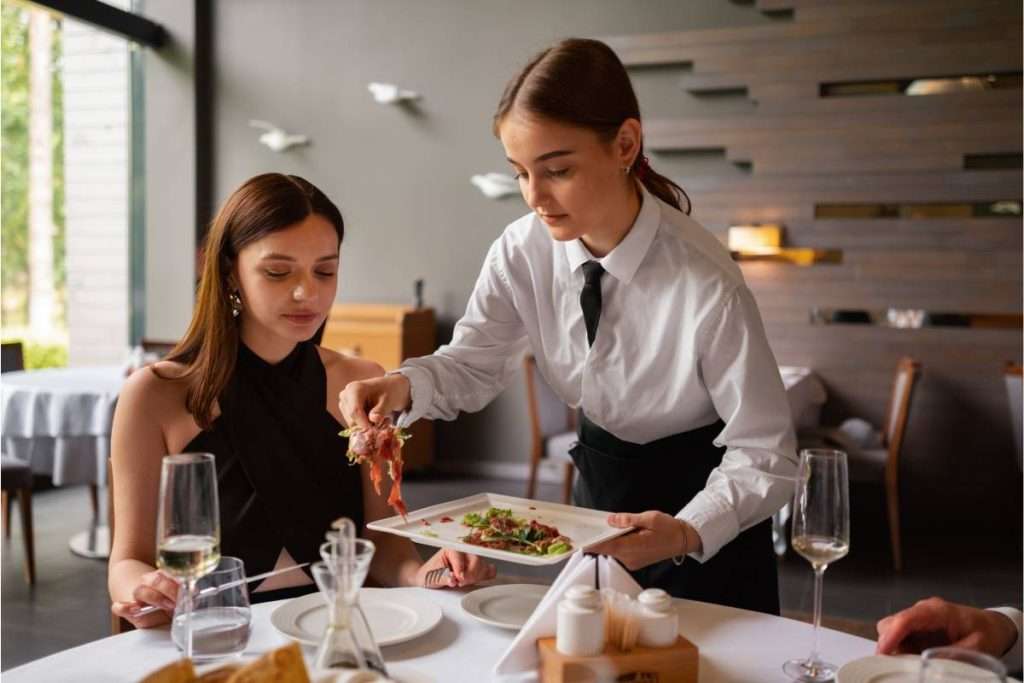
A plated meal, the classic “sit-down” dinner, remains the gold standard for high-end events. In this format, professional waitstaff deliver each course directly to seated guests, creating an atmosphere of prestige. This service style mimics the experience of a fine-dining restaurant, where the chef has complete control over the visual presentation and timing.
In upscale venues like the Fili Ballroom at NUSTAR, this precision is paramount. The ballroom’s palatial and resplendent design is built for elegance, making it an ideal backdrop for a multi-course sit-down dinner where each dish is treated as an artistic composition.
Beyond aesthetics, plated service offers unparalleled structure. The catering team controls the pace, so you can seamlessly integrate speeches or awards between courses without the distraction of guests moving around. This predictability also extends to your budget; knowing exactly how many guests chose a specific entrée minimizes food waste, making it a highly efficient choice for formal ceremonies.
The Buffet: Flexibility, Variety, and Social Energy
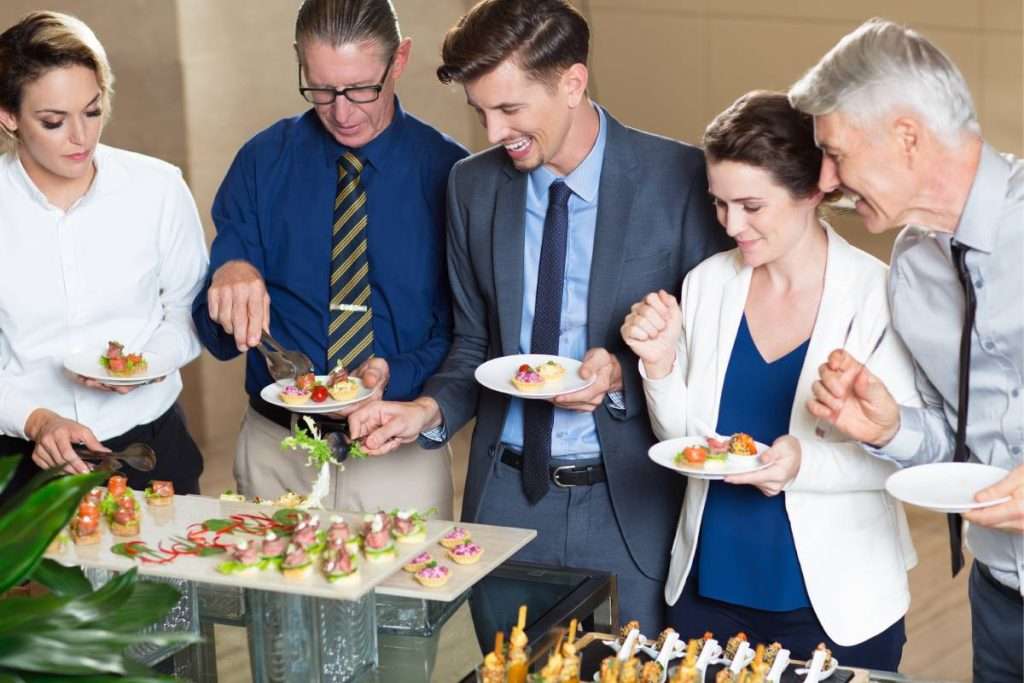
The modern buffet has moved far beyond the uninspired lines of the past. Today, buffets are often designed as a series of interactive action stations that prioritize variety and guest engagement. One of the greatest strengths of this format is its inherent inclusivity. With the rise of specialized diets, such as vegan, gluten-free, or allergen-sensitive lifestyles, a buffet allows guests to curate their own plates. This empowers them to take exactly what fits their needs without having to flag down a server for a special request. This makes a buffet an ideal choice for large, diverse crowds.
Imagine walking into a venue where gourmet stations are spread across the room, each offering something unique. That sense of abundance and movement is what makes buffets thrive, and it is precisely the kind of atmosphere that’s perfect for venues like the NUSTAR Convention Center. With its 2,449-square-meter floor plan and soaring six-meter ceilings, the space provides ample breathing room for interactive setups, like a live lechon roasting station, without ever feeling crowded.
From a social perspective, buffets act as a catalyst for networking. By requiring guests to stand up and navigate different stations, you naturally break the table silos that occur during sit-down dinners. This movement facilitates casual conversation, giving the event a high-energy, community-driven vibe.
Making the Choice: How the Styles Compare
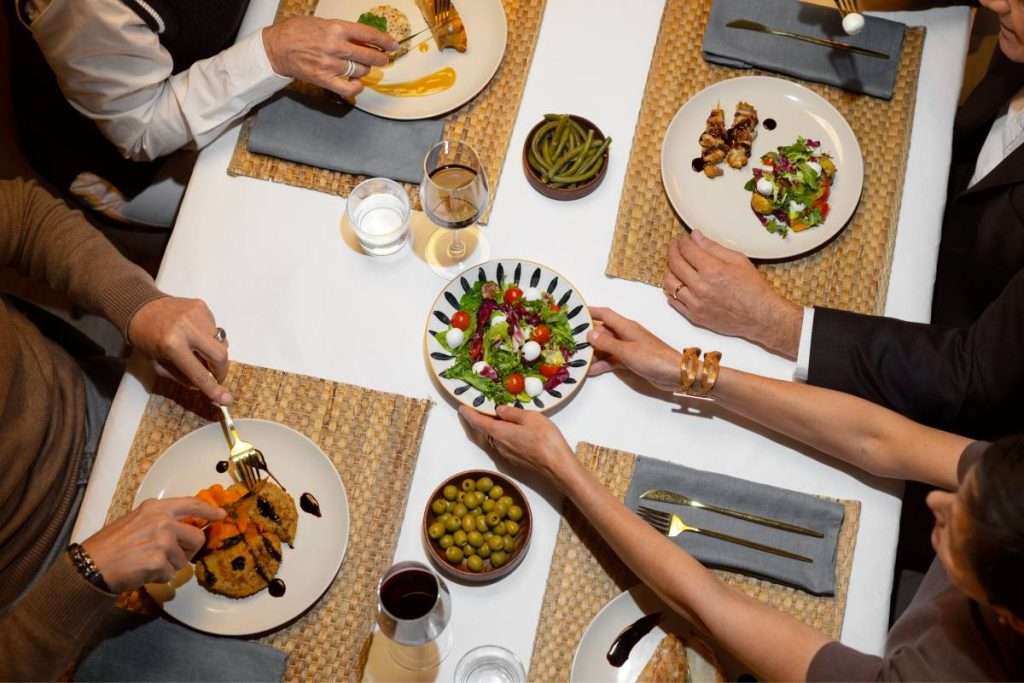
When deciding between these two formats, look at how they impact the guest experience across several key factors. Formality and vibe are the biggest differentiators. A plated meal offers an elegant and controlled atmosphere, whereas a buffet setup provides a more casual, vibrant environment. This also affects social interaction, as seated meals limit guests to talking with those at their immediate table, while buffets encourage mingling throughout the room.
Guests may notice these differences right away, but the behind-the-scenes requirements are just as distinct. For one, plated meals demand a much higher staff-to-guest ratio to ensure timely service, which can increase labor costs. On the other hand, buffets require fewer servers but necessitate significantly more floor space to accommodate the physical setup of the stations and the flow of the lines. In terms of dietary needs, flexibility is much higher in a buffet setting, where dozens of options are available simultaneously, compared to the pre-selected choices typically offered in a plated menu.
The Rising Star: The “Hybrid” Approach
Many modern hosts are mixing styles to capture the benefits of both worlds. For instance, at large-scale gatherings at NUSTAR Convention Center, planners often utilize the expansive pre-function foyer for cocktail-style mingling with interactive stations before moving guests into the banquet hall for a formal plated dinner.
Another popular strategy is the “seated start,” where a plated appetizer is served to set a formal tone, followed by a buffet for main courses. Family-style service is also gaining traction, with large platters brought to each table for guests to share, offering the variety of a buffet with the seated elegance of a formal dinner. For a high-energy finish, some organizers opt for a plated main course followed by an interactive dessert station to get everyone on their feet.
Which One Should You Choose?
In the end, there’s no universally “better” option, as the right one depends entirely on your primary objective. If you are hosting a formal ceremony with a tight schedule and a desire for luxury, the plated meal in a sophisticated space like the Fili Ballroom is your best bet. However, if you have a diverse crowd, want to foster networking, and have the scale of the NUSTAR Convention Center at your disposal, the buffet will likely be the superior choice.
Regardless of the delivery, what guests will remember most is the quality of service and the atmosphere you create. Weigh these factors carefully to match the dining style to your event’s unique goals and ensure an experience that feels both seamless and memorable.