
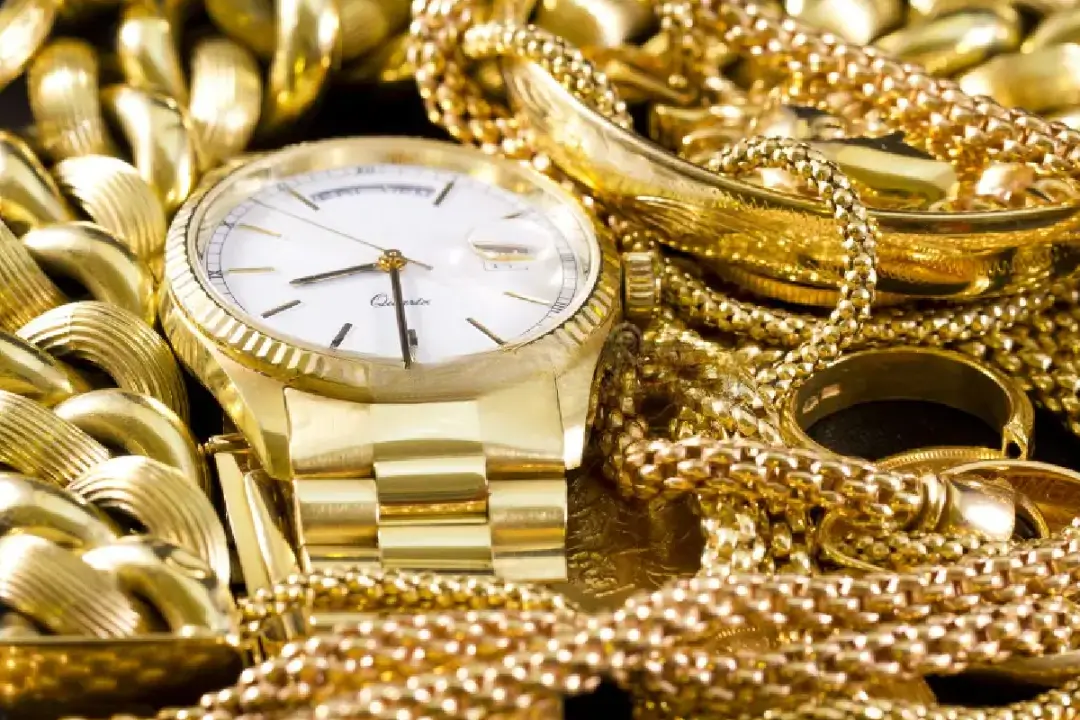
It’s natural for many people to seek out the finer things in life. From lavish vacations to premium experiences and luxury possessions, these elevated purchases often bring a unique sense of enjoyment, fulfillment, and personal satisfaction. For many, owning luxury items is about more than simply spending money—it’s about celebrating achievements, expressing personal style, and appreciating exceptional craftsmanship.
Luxury goods have long been associated with exclusivity, prestige, and social status. Carrying a designer handbag, wearing a finely crafted Swiss watch, or driving a rare classic car can communicate refined taste and success without saying a word. These items often represent years of dedication, hard work, and financial milestones, making them deeply meaningful to their owners. Unlike ordinary consumer products, luxury goods are designed to stand the test of time through superior materials, meticulous craftsmanship, and enduring appeal.
Beyond being status symbols, however, many luxury assets also hold practical financial value. Some people purchase designer bags, high-end watches, fine jewelry, or collectible wines because these items tend to preserve their worth far better than mass-produced alternatives. Depending on the brand’s heritage, rarity, and demand, certain luxury goods may even appreciate in value over time, making them attractive to both collectors and investors.
Rather than viewing these purchases as simple indulgences, many buyers consider them long-term assets that can be enjoyed today while potentially benefiting future generations. Well-maintained luxury items are often passed down as family heirlooms, carrying both financial and sentimental value. If you’re considering investing in luxury assets yourself, it helps to understand which categories have consistently demonstrated strong value retention and appreciation potential. Here are some of the top luxury goods that many collectors consider worthwhile investments.
Luxury Watches
Luxury watches don’t just tell time; they also tell a rich story. Many prestigious watchmakers have spent decades building reputations for craftsmanship and exclusivity, which helps sustain demand in both primary and secondary markets. Collectors often favor certain models from brands such as Rolex, Patek Philippe, and Audemars Piguet because of their limited availability, timeless designs, and loyal global following.
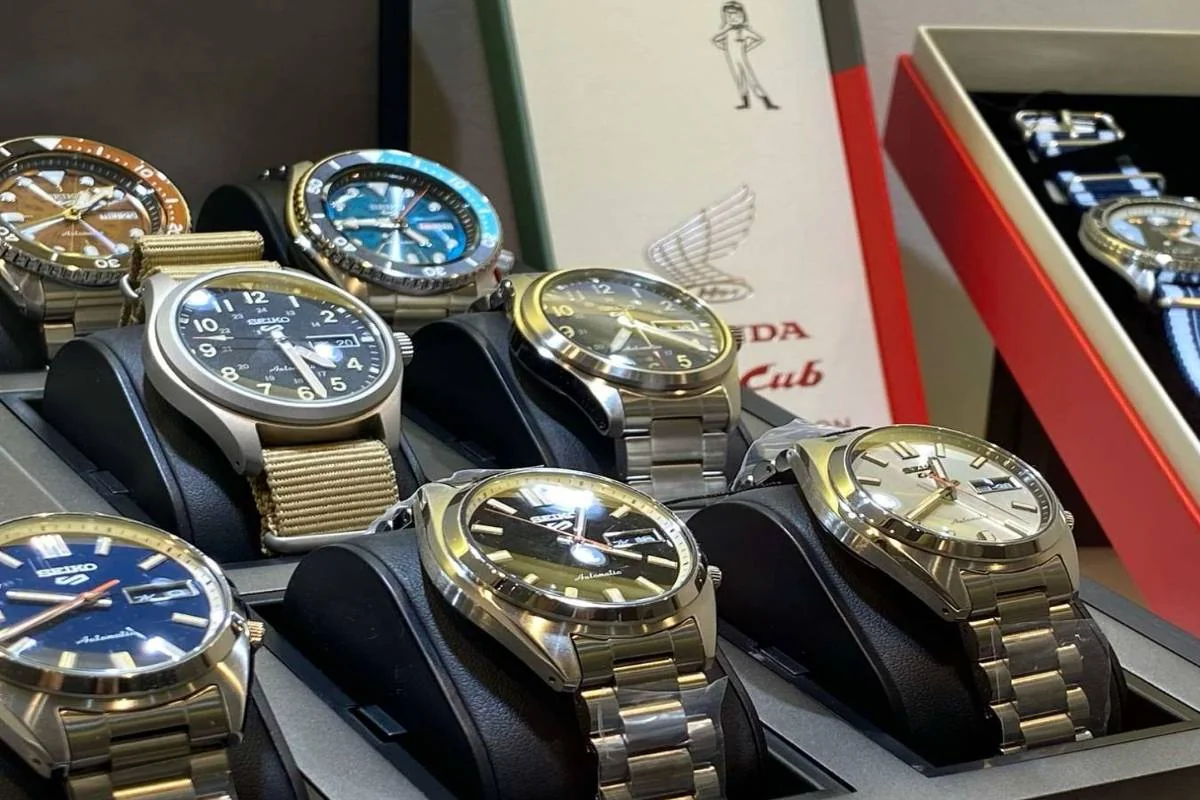
One reason luxury watches retain their value so well is their ability to combine functionality with prestige. Unlike many collectibles that remain stored away, a luxury watch can be worn daily while still maintaining significant value when properly cared for. In some cases, discontinued or limited-production models have appreciated substantially over the years as collectors compete for increasingly scarce pieces.
If you’re looking to buy a luxury watch or two, focus on models with proven demand, original documentation, and excellent condition. Also, remember that watch prices can fluctuate, so research carefully and thoroughly before making a purchase. You may be able to buy something at a lower price, without
Designer Handbags
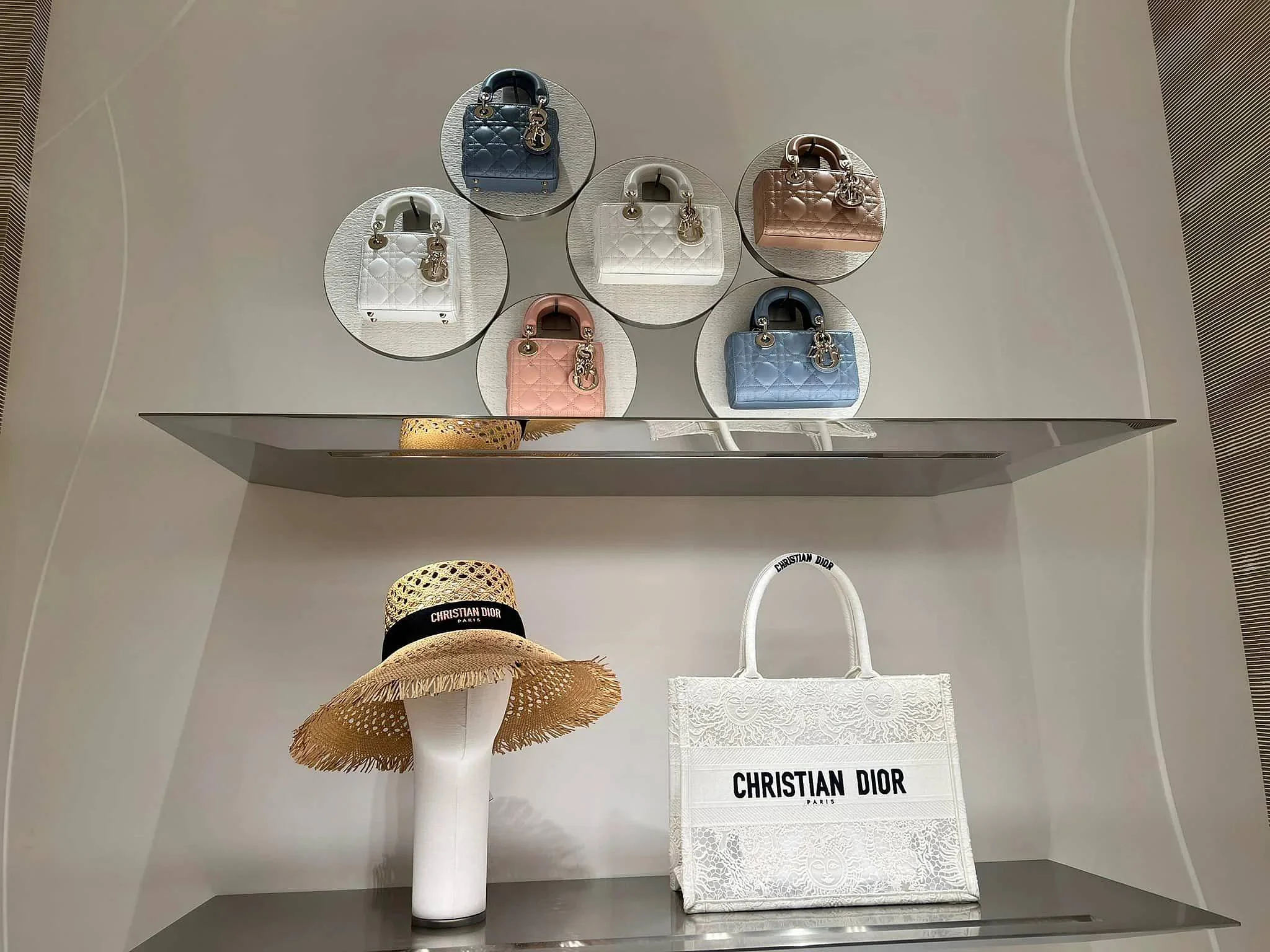
Beyond being popular luxury gifts, designer handbags have also become common heirlooms, particularly among those who appreciate luxury fashion. Certain handbag styles from brands like Loewe, Gucci, and Louis Vuitton have gained a reputation for retaining value because of limited production and sustained demand. Purchasing from authorized retailers like those found in The Mall at NUSTAR Resort Cebu helps ensure authenticity and provides access to reliable after-sales support.
Certain handbag collections from luxury fashion houses such as Loewe, Gucci, and Louis Vuitton have earned strong reputations for retaining their value due to limited production, enduring popularity, and consistent global demand. Classic styles often outperform seasonal releases because their timeless appeal remains relevant year after year.
More than simply being luxury gifts, designer handbags have become treasured heirlooms that families pass down from one generation to the next. Their lasting craftsmanship allows them to remain both functional and fashionable for decades with proper care.
Fine Jewelry and Gemstones
Fine jewelry can serve as a wearable luxury item and a marker of important personal milestones. Additionally, these items can function as a store of value. Pieces featuring high-quality diamonds or rare colored gemstones often attract buyers because of their enduring appeal. Unlike trend-driven accessories, exceptional gemstones can remain desirable across generations.
Pieces featuring exceptional diamonds, sapphires, emeralds, rubies, and other rare gemstones often remain desirable because of their scarcity and timeless beauty. Unlike trend-driven fashion accessories, premium gemstones have maintained their appeal for centuries, allowing them to retain demand across changing styles and generations.
Several factors determine a piece’s long-term value, including gemstone quality, rarity, craftsmanship, precious metal content, and brand reputation. Jewelry from prestigious houses may command additional premiums because of their heritage and exceptional design.
When purchasing fine jewelry, professional grading reports and authenticity certificates are invaluable. These documents provide confidence in the quality of the gemstones and make future resale significantly easier. Regular cleaning, careful storage, and professional maintenance can also help preserve both appearance and value.
Art Pieces
Art remains one of the most respected categories in the luxury market because it combines cultural significance with investment potential. Owning original artwork offers more than visual enjoyment—it allows collectors to own a unique piece of history and creative expression.
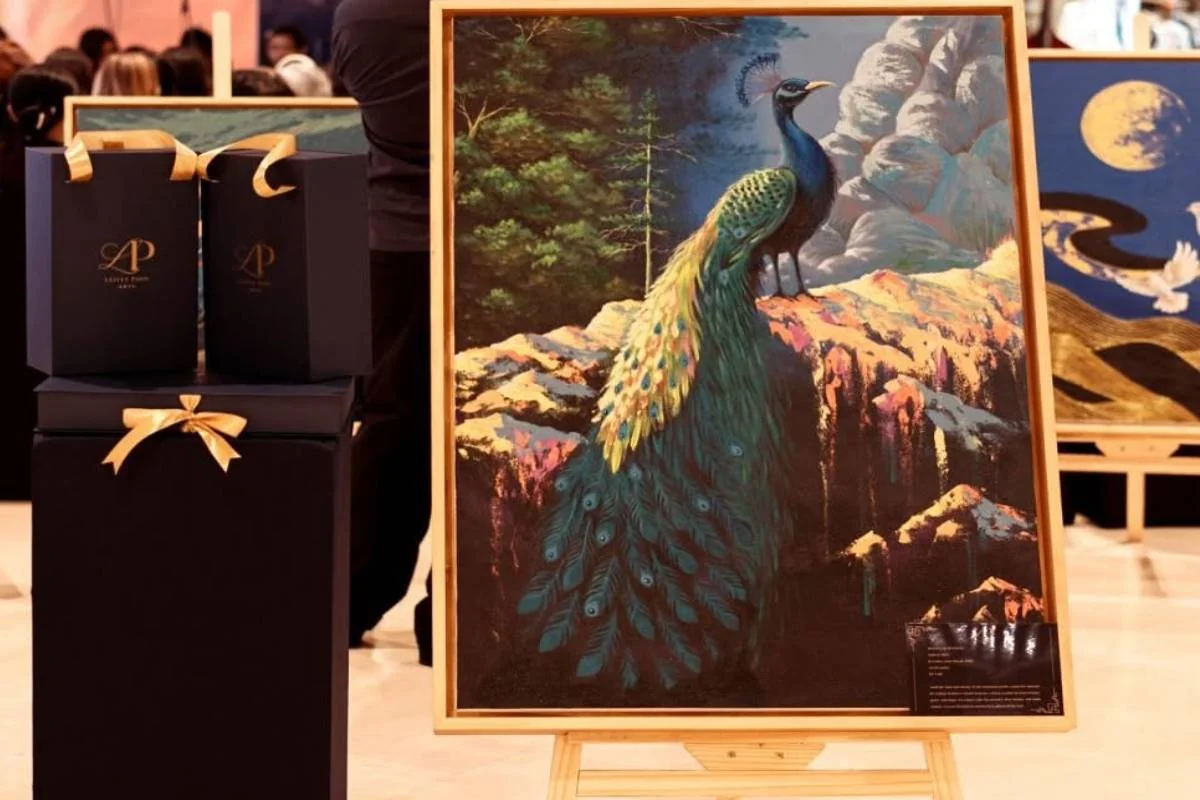
Many collectors focus on works by established artists whose reputations continue to attract buyers worldwide. However, emerging artists can also present opportunities for appreciation if their careers continue to gain recognition.
Unlike many luxury goods, art values are influenced by numerous factors beyond aesthetics. Provenance, authenticity, exhibition history, historical significance, rarity, and market demand all contribute to a work’s value. Because of these complexities, careful research and expert guidance are often necessary before making significant purchases.
Proper preservation is equally important. Professional framing, climate-controlled storage, and insurance help protect valuable artworks from environmental damage while maintaining their condition for future generations.
Classic Cars
Classic cars represent a unique combination of engineering excellence, nostalgia, and collectible value. Many enthusiasts view them as rolling works of art that showcase automotive history while offering the excitement of ownership.
Certain models become highly desirable because of limited production numbers, racing heritage, historical importance, or groundbreaking design. As time passes and fewer well-preserved examples remain, values for sought-after models can rise considerably.
However, unlike many other luxury assets, classic cars require ongoing financial commitment. Maintenance, restoration, specialized insurance, secure storage, and routine servicing all contribute to ownership costs. Buyers should factor these expenses into their purchasing decisions rather than focusing solely on appreciation potential.
Choosing vehicles with original components, documented ownership history, and minimal restoration often provides stronger long-term value than heavily modified examples.
Fine Wine
Fine wine has long been regarded as both a luxury indulgence and a collectible asset. Unlike many consumer products that lose value immediately after purchase, certain wines become increasingly desirable as they mature under ideal storage conditions.
Collectors frequently seek bottles from prestigious vineyards with proven aging potential and limited production. Rare vintages, exceptional harvest years, and strong critical ratings often contribute to higher resale values over time.
However, a wine’s provenance and storage history are just as important as the producer. Improper temperature, humidity, or handling can significantly reduce both quality and value. For this reason, many serious collectors invest in climate-controlled wine storage or professional wine facilities.
Documentation of purchase and storage conditions further strengthens a wine’s desirability should the owner eventually decide to sell.
Luxury goods offer far more than prestige and enjoyment. They can also provide lasting financial and personal value when selected thoughtfully. Whether it’s a designer handbag, a luxury watch, or fine jewelry, the most valuable luxury assets typically share several qualities: exceptional craftsmanship, authenticity, rarity, and enduring demand.
While no luxury purchase is guaranteed to appreciate, focusing on quality, provenance, proper maintenance, and established market demand can significantly improve long-term value retention. By treating these items as both cherished possessions and carefully maintained assets, owners can enjoy their beauty today while preserving their worth for years to come.