

Card games have long been a staple of casino entertainment, combining skill, chance, and strategic decision-making to create an engaging experience. Among the most popular choices are pontoon and blackjack, two games that may appear similar at first but have distinct rules and gameplay mechanics. While both revolve around reaching 21, their differences can catch newcomers by surprise, making it essential to understand each game’s unique approach.
Whether you’re a seasoned player or new to casino gaming, learning the distinctions between pontoon and Blackjack can help you navigate the tables with confidence. This is particularly useful if you’re planning a visit to a top-tier casino in the Philippines, such as NUSTAR Resort and Casino in Cebu, where both games offer thrilling opportunities to test your skills.
This guide will break down the essential aspects of pontoon and blackjack so that you’ll be better prepared to make informed decisions and fully enjoy your casino experience.
Objective and Core Rules
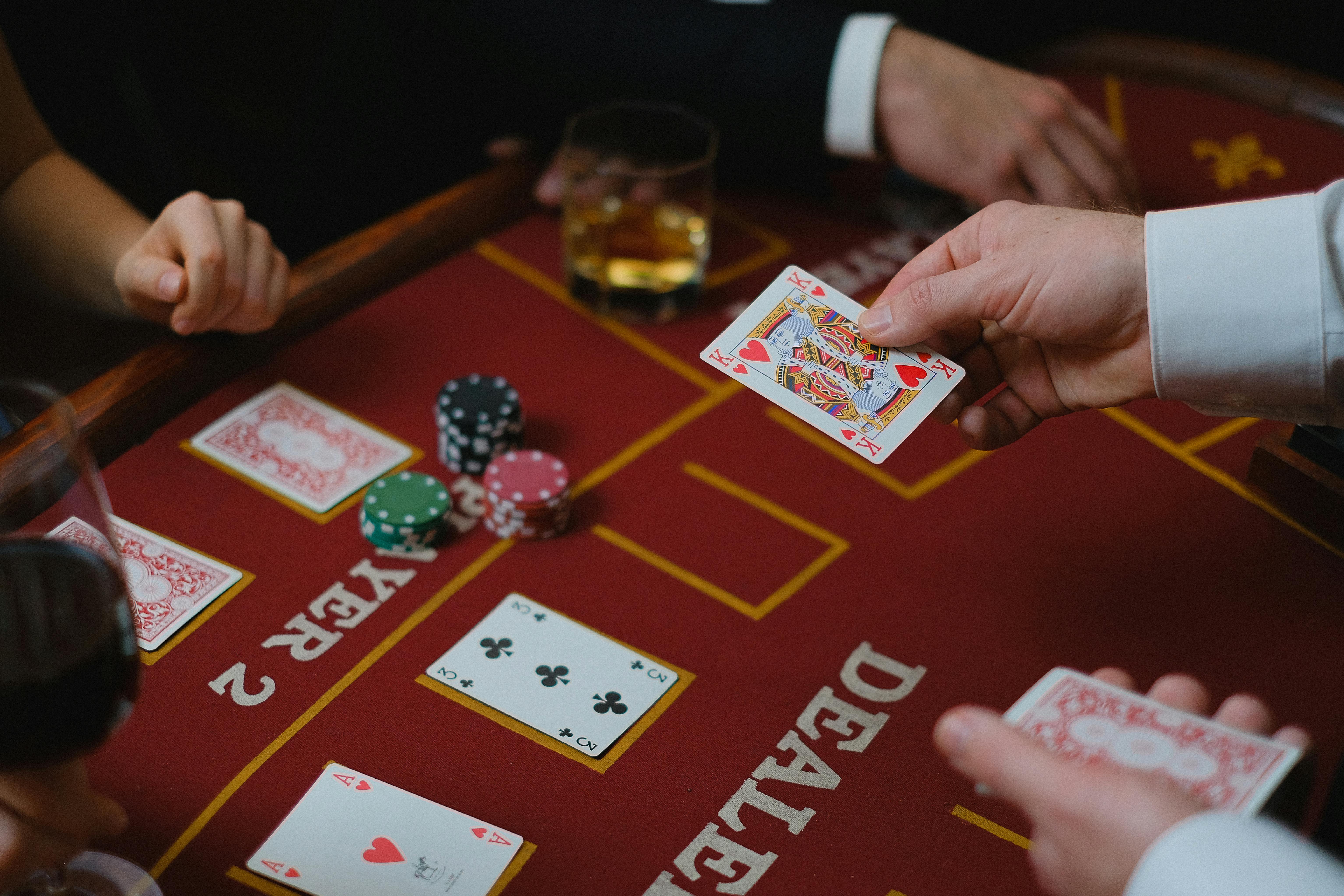
At a glance, Pontoon and Blackjack appear nearly identical. Both revolve around the number 21 and challenge you to beat the dealer’s hand without going over. However, a closer look reveals subtle yet significant differences that can impact how you approach each game.
In Blackjack, your goal is to form a hand that totals as close to 21 as possible, ideally with an ace and a ten-value card dealt on your first two cards for a “natural Blackjack.” This combination typically pays out at 3:2 (you win 1.5 times your bet) and is only possible on the initial deal. On the other end of the table, the dealer also receives two cards, one of which is face up, giving you partial information to guide your decisions.
Pontoon, on the other hand, offers no such visibility. Both dealer cards are dealt face down, adding a layer of uncertainty. A “Pontoon” is the same as a Blackjack—an ace plus a ten-value card—but often pays out slightly more, sometimes 2:1 (you win 2 times your bet), depending on house rules. Additionally, Pontoon includes the unique “five-card trick,” where a hand of five cards totaling 21 or less automatically beats everything except a natural Pontoon.
So, while the core concept remains the same, these rule variations can dramatically shift the rhythm and risk level of the game.
Terminology and Player Actions
One of the clearest signs that you’re playing Pontoon rather than Blackjack is the language used at the table. The two games may share familiar mechanics, but they speak different dialects, so to speak, and that changes how you engage with each round.
In Blackjack, you “hit” when you want another card and “stand” when you’re satisfied with your hand. You can also “double down” after your first two cards, meaning you double your bet and receive only one additional card. Splitting is allowed when you’re dealt a pair, letting you play two hands simultaneously.
Pontoon introduces its own terminology. The term “hit” becomes “twist” and “stand” becomes “stick.” While the actions are similar, the phrasing gives Pontoon a unique feel. The game also restricts sticking until your hand reaches at least 15, which shifts the balance of risk and reward. Additionally, doubling and splitting are generally more flexible in Pontoon, sometimes allowed on more hand combinations than in Blackjack.
These linguistic and structural differences do more than just add flavor. They change how you interact with the game, how quickly decisions are made, and how players adapt their strategies in real time.
Dealer Behavior and Game Setup
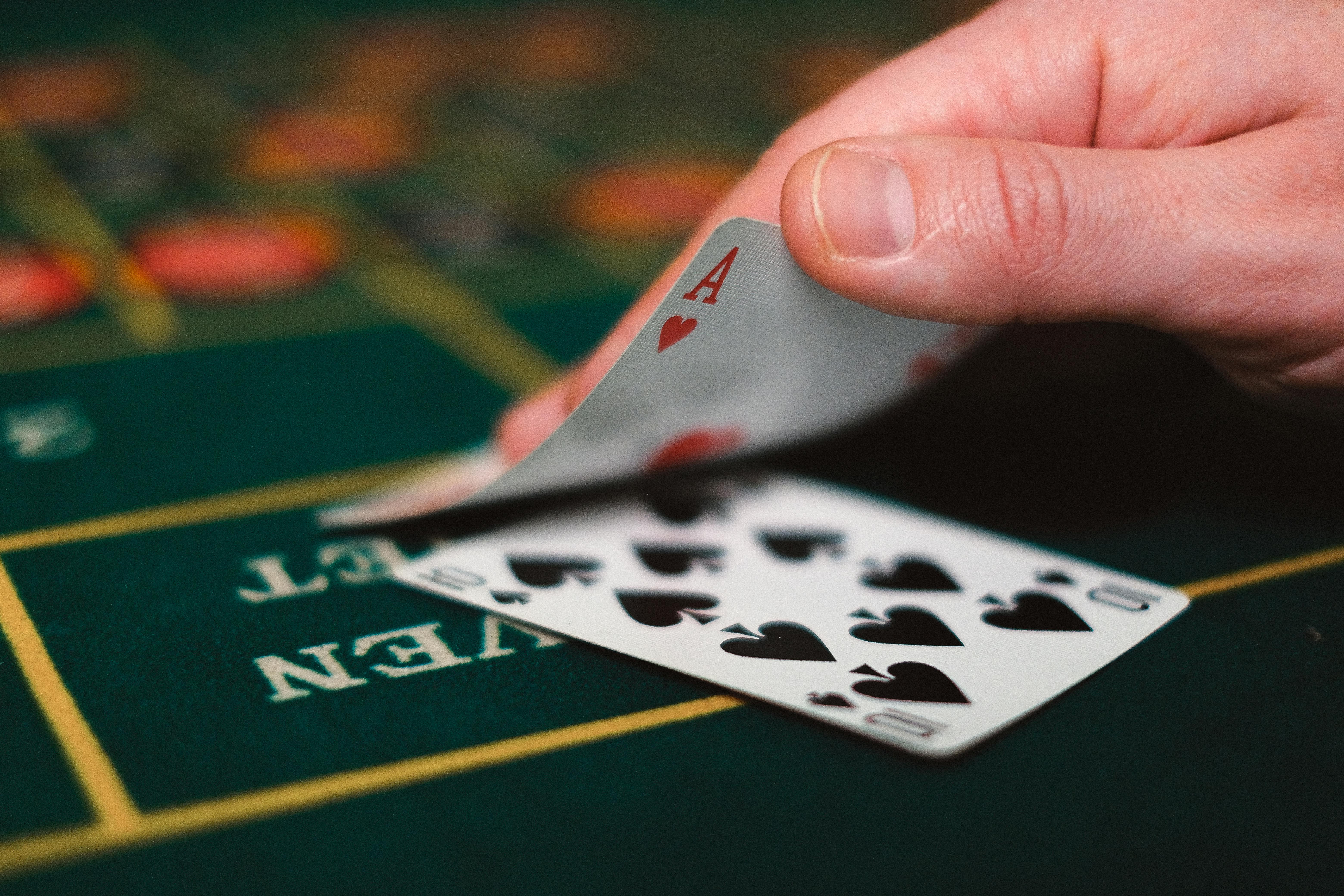
If you’ve ever played Blackjack in a traditional setting, you’re likely familiar with the dealer revealing one card while keeping the other hidden. This small detail sets the stage for your decisions, giving you a glimpse of what you’re up against. It’s a defining feature of Blackjack, allowing players to make more calculated choices based on partial dealer information.
Pontoon flips this experience on its head. Both dealer cards remain face down until the end of the round, leaving you with no reference point beyond your own hand. This increases the uncertainty and adds pressure to every twist you take. The absence of a visible dealer card forces you to focus more on probabilities and your current hand value rather than reacting to what’s showing on the table.
Another notable difference lies in the layout and number of decks used. Blackjack is often played with anywhere from one to eight decks, depending on the house. Pontoon, particularly in casino settings, is typically played with multiple decks as well, but with the tens removed, which can make the game feel more fast-paced.
The way each game handles dealer behavior and table setup creates a different kind of tension, shaping the way you assess risk and stay engaged throughout the round.
Odds, House Edge, and Strategic Implications

Behind the entertainment value of any casino card game lies a mathematical reality that often determines whether a game feels fair, challenging, or frustrating. For players who like to think a few moves ahead, understanding how Pontoon and Blackjack differ in terms of odds can influence everything from how much you bet to when you walk away.
In Blackjack, the house edge typically ranges from 0.5% to 2%, depending on the number of decks in use and specific house rules. Games that allow late surrender, doubling after a split, or dealer standing on soft 17 tend to offer slightly better odds for players. Strategy charts are also widely available, making it easier to learn statistically sound decisions based on your hand and the dealer’s upcard.
Pontoon usually carries a slightly higher house edge because of the hidden dealer cards and stricter conditions for sticking. However, that’s balanced by more generous payout rules in many versions. The five-card trick, for example, can tip the scales in your favor with a patient play style. Doubling and splitting are often allowed more liberally as well, opening up different paths to a strong finish.
While both games reward smart decision-making, Pontoon places a heavier emphasis on risk management and disciplined aggression. Blackjack, on the other hand, tends to reward methodical planning and careful observation. Knowing how the numbers stack up lets you tailor your approach to each table, turning chance into a more informed choice.
Choosing between Pontoon and Blackjack isn’t just about preference. It’s about knowing how each game fits your style of play. Whether you lean toward calculated decisions or thrive in fast-paced uncertainty, understanding these games on a deeper level can make your time at the table more rewarding. That means the next time you sit down with a deck of cards in front of you, you’ll have a clearer sense of how to play smarter.
Ready to test your luck and skill in Pontoon or Blackjack? Visit NUSTAR Resort & Casino today for a gaming experience like no other.